
The Functions of an Escrow
Kari Breuer November 3, 2023
Kari Breuer November 3, 2023
Buying or selling a home (or other piece of real property) usually involves the transfer of large sums of money. It is imperative that the transfer of these funds and related documents from one party to another be handled in a neutral, secure, and knowledgeable manner. For the protection of the buyer, seller, and lender, the escrow process was developed.
As a buyer or seller, you want to be certain all conditions of sale have been met before property and money change hands. The technical definition of an escrow is a transaction where one party engages in the sale, transfer, or lease of real or personal property, and another person delivers a written instrument, money, or other items of value to a neutral third person, called an escrow agent or escrow holder. This third person holds the money or items for disbursement upon the happening of a specified event or the performance of a specified condition.
Simply stated, the escrow holder impartially carries out the written instructions given by the principals. This includes receiving funds and documents necessary to comply with those instructions, completing or obtaining required forms, and handling final delivery of all items to the proper parties upon the successful completion of the escrow.
The escrow must be provided with the necessary information to close the transaction. This may include loan documents, tax statements, fire and other insurance policies, title insurance policies, terms of sale and any seller-assisted financing, and requests for payment for various services to be paid out of escrow funds.
If the transaction is dependent on arranging new financing, it is the buyer’s or the buyer’s agent’s responsibility to make the necessary arrangements. Documentation of the new loan agreement must be in the hands of the escrow holder before the transfer of property can take place. A real estate agent can help identify appropriate lending institutions.
When all the instructions in the escrow have been carried out, the closing can take place. At this time, all outstanding funds are collected, and fees- such as title insurance premiums, real estate commissions, termite inspection charges- are paid. Title to the property is then transferred under the terms of the escrow instructions, and appropriate title insurance is issued.
Payment of funds at the close of escrow should be in the form acceptable to the escrow, since out-of-town and personal checks can cause days of delay in processing the transaction.
The following items represent a typical list of what an escrow holder does and does not do:
Your local title company should be happy to provide additional information.

August 20, 2026

Kari Breuer | July 26, 2024
When someone wanted a home loan, they walked downtown to the neighborhood bank or savings and loan.
Kari Breuer | July 19, 2024
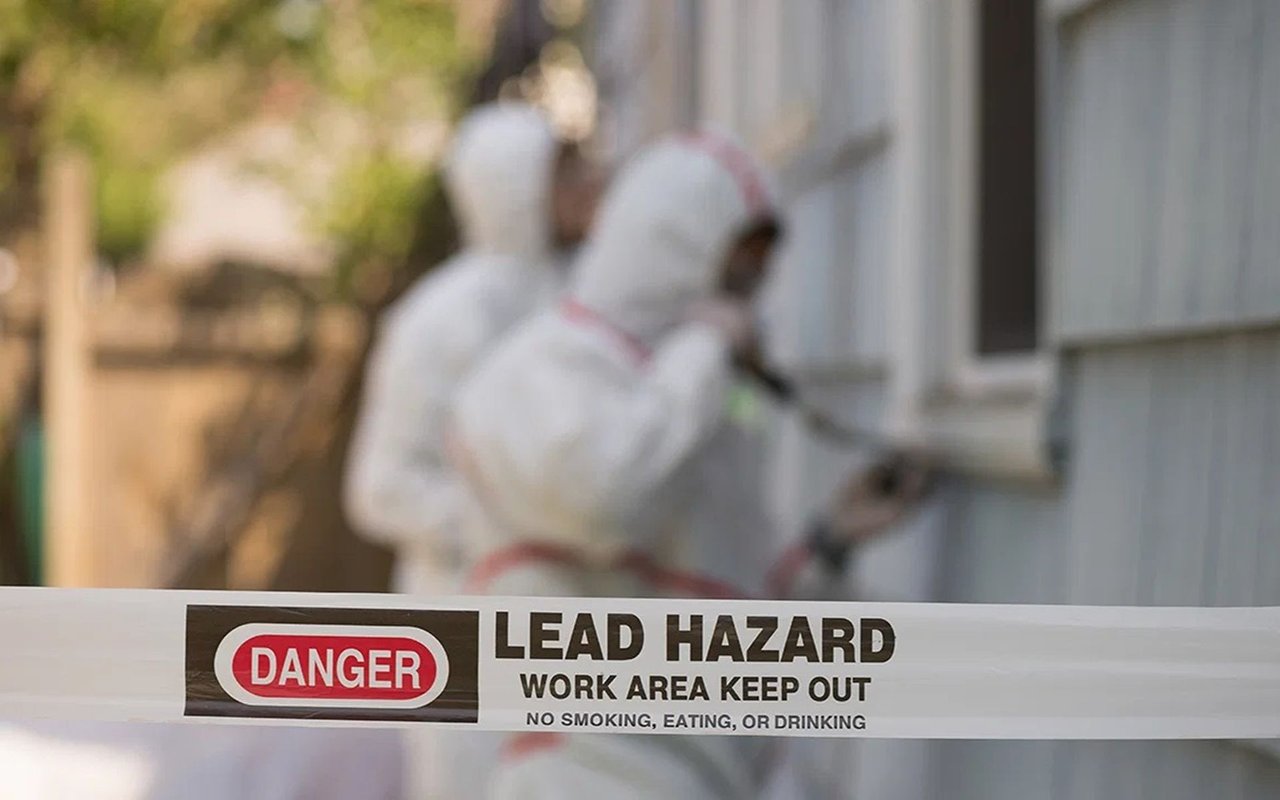
Buyers will have up to 10 days to check for lead hazards and are likely to stipulate corrections.

Kari Breuer | July 12, 2024
You do not want to lose the deal because you were lying or diminishing your home’s defects.

Kari Breuer | July 5, 2024
Let’s say instead of spending that $20,000 on a down payment, you invested it in the stock market.

Kari Breuer | June 28, 2024
Instead, the biweekly mortgage company is an intermediary between you and your mortgage lender.

Kari Breuer | June 21, 2024
Discounts may also be available if you use the same lender for your refinance loan and your original loan.

Kari Breuer | June 14, 2024
Buyers should always have the tank inspected to make sure that it is structurally sound.

Kari Breuer | June 6, 2024
It is a way of selling your home without the use of a professional real estate agent or broker.
Whether it's your first home or your fifth, I'd love to help.

Kari Breuer
Broker-Salesperson
NV BS.0146614
(775) 450-3431
[email protected]
308 N Curry St Ste 101 Carson City, NV 89703