
Living Trusts
Kari Breuer May 10, 2024
Kari Breuer May 10, 2024
Estate planners often recommend Living Trusts as a viable option when contemplating the manner in which to hold title to real property. When a property is held in a Living Trust, title companies have particular requirements to facilitate the transaction. While not comprehensive, answers to many commonly asked questions are below. If you have questions that are not answered below, your title company representative may be able to assist you; however, you may wish to seek legal counsel.
A Family Trust is a typical trust in which the Husband and Wife are the Trustees and their children are the Beneficiaries. Those who establish the trust and transfer their property into it are known as Trustors or Settlors. The settlors usually appoint themselves as trustees, and they are the primary beneficiaries during their lifetime. After their passing, their children and grandchildren usually become the primary beneficiaries if the trust is to survive, or the beneficiaries receive distributions directly from the trust if it is to close out.
Sometimes called an Inter-vivos Trust, the Living Trust is created during the lifetime of the Settlors (as opposed to being created by their Wills after death) and usually terminates after they die and the body of the Trust is distributed to their beneficiaries.
No, the Trustee holds the property on behalf of the Trust.
Only your attorney or accountant can answer that question. Some common reasons for holding property in a Trust are to minimize or postpone death taxes, to avoid a time-consuming probate, and/or to shield property from attack by certain unsecured creditors.
Married persons can usually exempt a significant part of their assets from taxation and may postpone taxes after the first of them to die passes. You should check with your attorney or accountant before taking any action.
Yes, if the property otherwise qualifies.
A Trustee can take any action permitted by the terms of the Trust, and the typical Trust Agreement does give the Trustee the authority to borrow and encumber real property. However, not all lenders will lend on a property held in trust, so check with your lender first.
Some people who do not wish their names to show as titleholders make private arrangements with a third party Trustee; however, such an arrangement may be illegal, and is always inadvisable because the Trustee of record is the only one who is empowered to convey, or borrow against, the property, and a Title Insurer cannot protect you from a Trustee who is not acting in accordance with your wishes despite the existence of a private agreement you have with the Trustee.

August 20, 2026

Kari Breuer | July 26, 2024
When someone wanted a home loan, they walked downtown to the neighborhood bank or savings and loan.
Kari Breuer | July 19, 2024
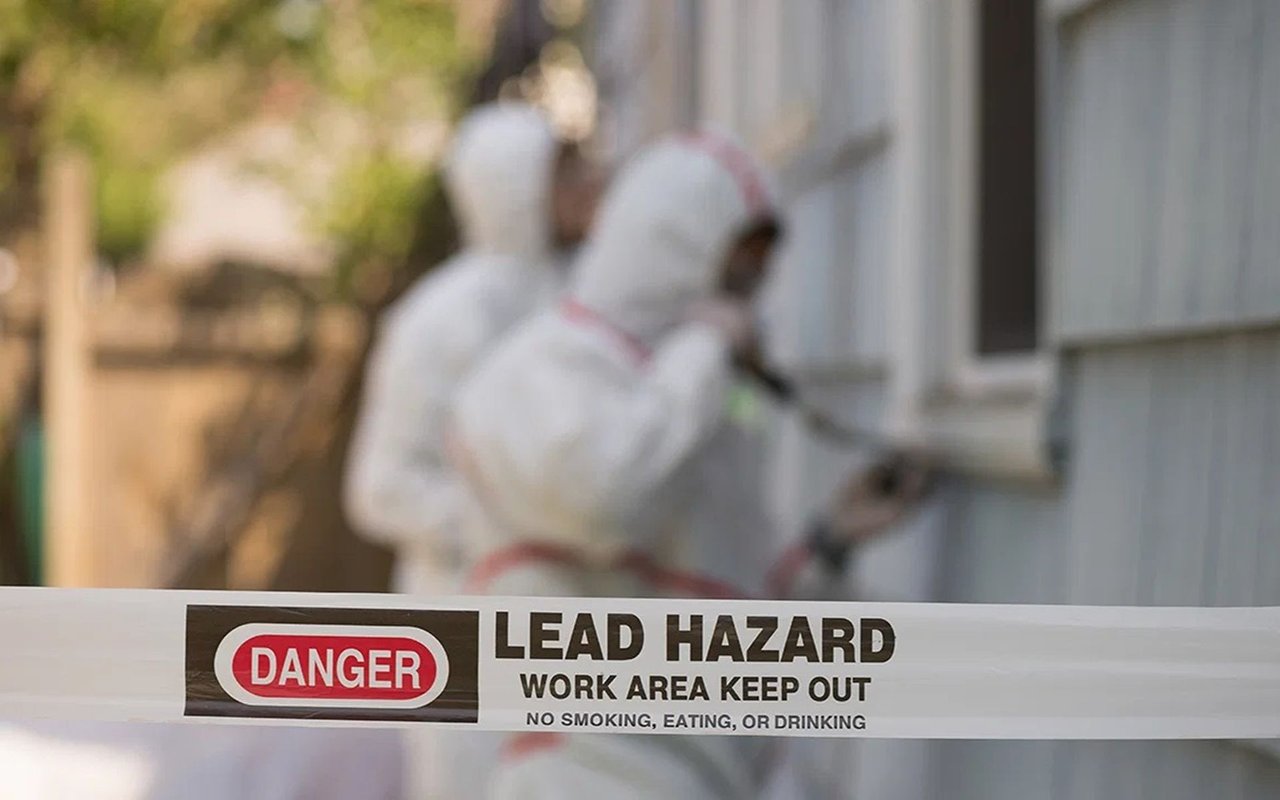
Buyers will have up to 10 days to check for lead hazards and are likely to stipulate corrections.

Kari Breuer | July 12, 2024
You do not want to lose the deal because you were lying or diminishing your home’s defects.

Kari Breuer | July 5, 2024
Let’s say instead of spending that $20,000 on a down payment, you invested it in the stock market.

Kari Breuer | June 28, 2024
Instead, the biweekly mortgage company is an intermediary between you and your mortgage lender.

Kari Breuer | June 21, 2024
Discounts may also be available if you use the same lender for your refinance loan and your original loan.

Kari Breuer | June 14, 2024
Buyers should always have the tank inspected to make sure that it is structurally sound.

Kari Breuer | June 6, 2024
It is a way of selling your home without the use of a professional real estate agent or broker.
Whether it's your first home or your fifth, I'd love to help.

Kari Breuer
Broker-Salesperson
NV BS.0146614
(775) 450-3431
[email protected]
308 N Curry St Ste 101 Carson City, NV 89703