
Creative Financing
Kari Breuer February 2, 2024
Kari Breuer February 2, 2024
Creative financing: You’ve heard of it, and, as a seller, the idea sounds pretty attractive. But do you know everything you need to know about carrying back a second, essentially, about becoming a lender? You better know the same things that financial institutions know - you better know about lenders’ title insurance.
It’s time to sell your $150,000 home, a home that you have owned for fifteen years, a home in which you have substantial equity. The loan terms call for a $20,000 down payment from your buyer, a new $100,000 loan from a local savings and loan, and for you, the seller, to carry back a note for the remaining $30,000.
Will you, the seller, need title insurance?
Yes, you will. Everyone who retains an interest in the property needs title insurance. When you took on the role of lender, you retained a record title interest which you will want to protect for the term of the loan.
But why would you need lender’s title insurance when the repayment of your loan is assured by a lien in the form of a recorded deed of trust against the property? What could go wrong?
You must insure yourself for the same reason that financial institutions obtain title insurance - for the protection of your investment. You must be assured that your lien on the property cannot be defeated by a prior lien or other interest in the property, which, if exercised, would wipe out your security.
Anything that involves the new buyer’s ownership rights to the property is of direct interest to you because you are holding the second mortgage. If such ownership rights are in question or defective, you may have trouble collecting your monthly mortgage payments. But, you say, there is nothing in your property’s history that could cause problems: no problems with easements, no problems with boundaries, no problems with rights-of-way.
Contrary to what may be popular belief, these matters are not the only source of title problems; a large proportion of title problems arise out of man’s interaction with man. The fact of a marriage, a divorce, a death, a forgery, a judgment for money damages, a failure to pay state or federal taxes - these occurrences can and usually will affect your rights as a mortgage lender.
As an example of what can befall the lender, did you know that a federal tax lien recorded against your buyer before the loan transaction is concluded may result in the loss of security in your home? Sophisticated mortgage lenders are aware of this possibility as well as many others that could jeopardize their loan security and seek the protection afforded by a lender’s title insurance policy.
If you are considering carrying back a second, be sure to get all the facts regarding the benefits of lender’s title insurance. Your local title insurance company should be happy to provide the information you need.
August 20, 2026

Kari Breuer | July 26, 2024
When someone wanted a home loan, they walked downtown to the neighborhood bank or savings and loan.
Kari Breuer | July 19, 2024
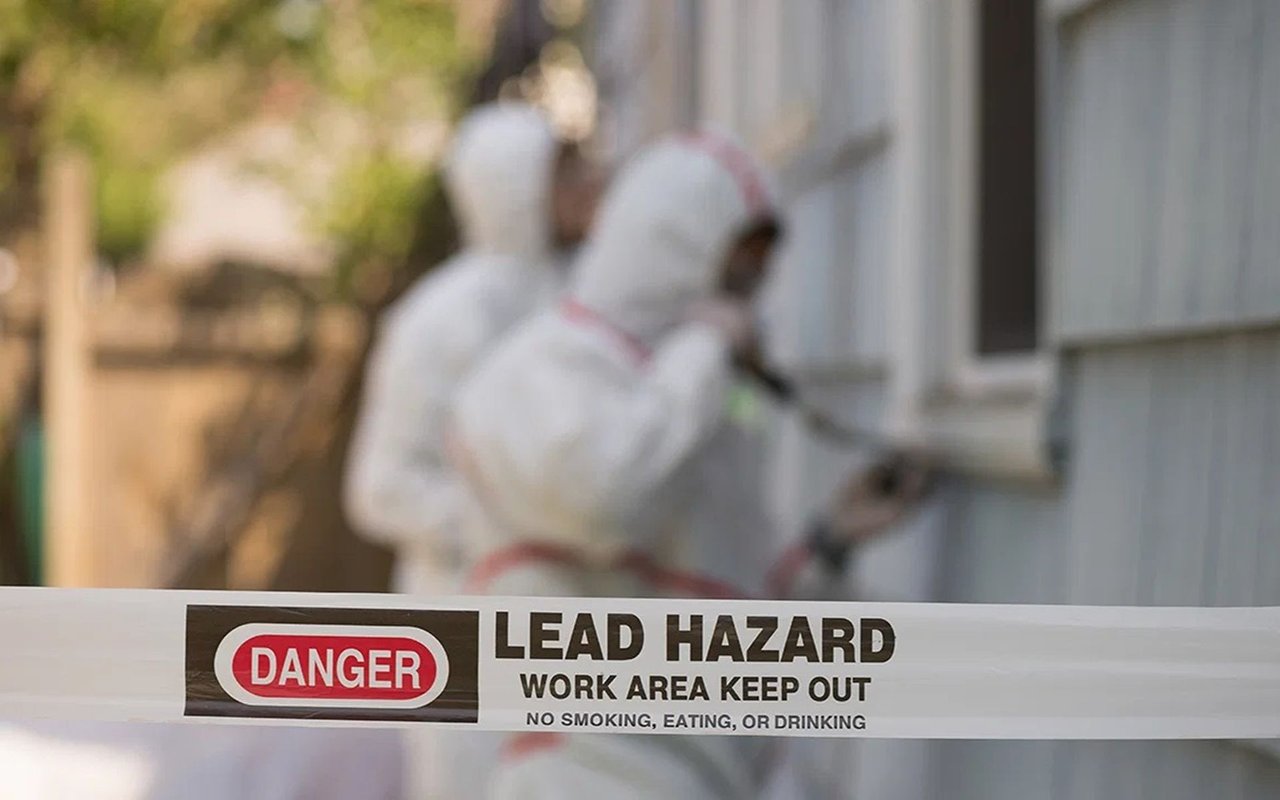
Buyers will have up to 10 days to check for lead hazards and are likely to stipulate corrections.

Kari Breuer | July 12, 2024
You do not want to lose the deal because you were lying or diminishing your home’s defects.

Kari Breuer | July 5, 2024
Let’s say instead of spending that $20,000 on a down payment, you invested it in the stock market.

Kari Breuer | June 28, 2024
Instead, the biweekly mortgage company is an intermediary between you and your mortgage lender.

Kari Breuer | June 21, 2024
Discounts may also be available if you use the same lender for your refinance loan and your original loan.

Kari Breuer | June 14, 2024
Buyers should always have the tank inspected to make sure that it is structurally sound.

Kari Breuer | June 6, 2024
It is a way of selling your home without the use of a professional real estate agent or broker.
Whether it's your first home or your fifth, I'd love to help.

Kari Breuer
Broker-Salesperson
NV BS.0146614
(775) 450-3431
[email protected]
308 N Curry St Ste 101 Carson City, NV 89703