
Common Ways of Holding Title
Kari Breuer November 3, 2023
Kari Breuer November 3, 2023
Real property can be incredibly valuable, and the question of how parties can take ownership of their property is important. The form of ownership taken - the vesting of title - will determine who may sign various documents involving the property and future rights of the parties to the transaction. These rights involve such matters as real property taxes, income taxes, inheritance and gift taxes, transferability of title and exposure to creditors’ claims. Also, how the title is vested can have significant probate implications in the event of death.
The Land Title Association (LTA) advises those purchasing real property to give careful consideration to the manner in which title will be held. Buyers may wish to consult legal counsel to determine the most advantageous form of ownership for their particular situation, especially in cases of multiple owners of a single property.
The LTA has provided the following definitions of common vesting as an informational overview. Consumers should not rely on these as legal definitions. The Association urges real property purchasers to carefully consider their titling decision before closing and to seek counsel should they be unfamiliar with the most suitable ownership choice for their particular situation.
Sole ownership may be described as ownership by an individual or other entity capable of acquiring title. Examples of common vesting in cases of sole ownership are:
The title company insuring title will require the spouse of the married man or woman acquiring title to specifically disclaim or relinquish his or her right, title, and interest in the property. This establishes that it is the desire of both spouses that title to the property be granted to one spouse as that spouse’s sole and separate property. For example, Bruce Buyer, a married man, has his sole and separate property.
Title to property owned by two or more persons may be vested in the following forms:
Community Property:
A form of vesting title to property owned by husband and wife during their marriage, which they intend to own together. Community property is distinguished from separate property, which is property acquired before marriage, by separate gift or bequest, after legal separation, or which is agreed to be owned only by one spouse.
Real property conveyed to a married man or woman is presumed to be community property, unless otherwise stated. Since all such property is owned equally, husband and wife must sign all agreements and documents of transfer. Under community property, either spouse has the right to dispose of one-half of the community property, including transfers by will. For example: Bruce Buyer and Barbara Buyer, husband and wife as community property.
*In cases of corporate, partnership, L.L.C., or trust ownership, required documents may include corporate articles and bylaws, partnership agreements, L.L.C. operating agreement, and trust agreements and/or certificates.
Remember:
How the title is vested has important legal consequences. You may wish to consult an attorney to determine the most advantageous form of ownership for your particular situation.
August 20, 2026

Kari Breuer | July 26, 2024
When someone wanted a home loan, they walked downtown to the neighborhood bank or savings and loan.
Kari Breuer | July 19, 2024
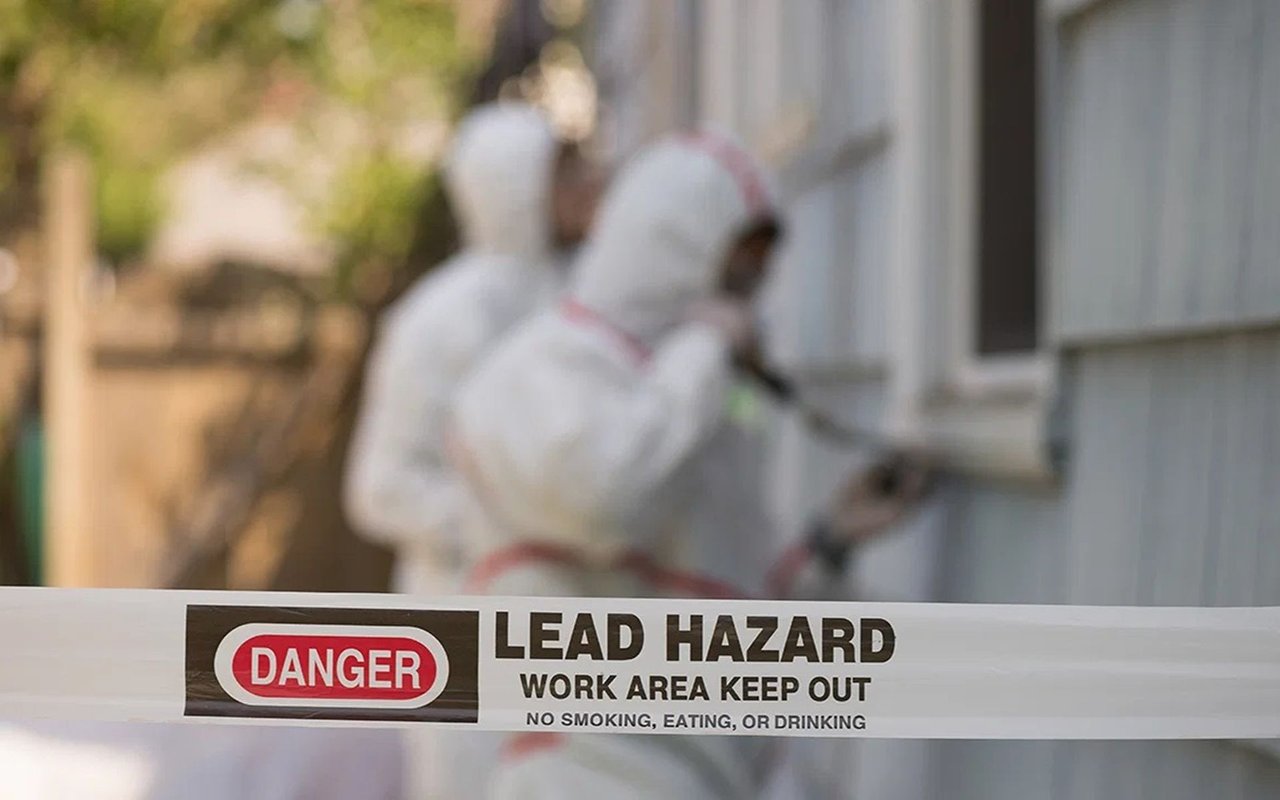
Buyers will have up to 10 days to check for lead hazards and are likely to stipulate corrections.

Kari Breuer | July 12, 2024
You do not want to lose the deal because you were lying or diminishing your home’s defects.

Kari Breuer | July 5, 2024
Let’s say instead of spending that $20,000 on a down payment, you invested it in the stock market.

Kari Breuer | June 28, 2024
Instead, the biweekly mortgage company is an intermediary between you and your mortgage lender.

Kari Breuer | June 21, 2024
Discounts may also be available if you use the same lender for your refinance loan and your original loan.

Kari Breuer | June 14, 2024
Buyers should always have the tank inspected to make sure that it is structurally sound.

Kari Breuer | June 6, 2024
It is a way of selling your home without the use of a professional real estate agent or broker.
Whether it's your first home or your fifth, I'd love to help.

Kari Breuer
Broker-Salesperson
NV BS.0146614
(775) 450-3431
[email protected]
308 N Curry St Ste 101 Carson City, NV 89703